

How to Build a Pajama Collection in Wholesale and OEM/ODM Sleepwear Markets?
Pajamas and pyjamas are core products in many sleepwear and homewear collections. Compared with more seasonal or novelty-driven items, pajama sets often have broader demand, clearer usage scenarios, and strong potential for repeat orders.
For apparel brands, retailers, and wholesale buyers, developing a pajama collection is not only about choosing a top and bottom style. Fabric, fit, size range, print planning, color stories, trims, packaging, and production consistency all affect how the final products perform in the market.
A well-planned pajama collection can help a brand cover different customer needs, from everyday comfort to seasonal gifting, while keeping the product line organized and commercially flexible.
1. Start with a Clear Collection Structure
A pajama collection should begin with a clear product structure. Instead of developing many unrelated styles, brands can organize the line by fabric, season, target customer, or price level.
Common product directions include classic button-up pajama sets, long-sleeve winter pajamas, short-sleeve summer sets, camisole and shorts sets, family matching pajamas, printed pajama sets, and premium lounge-style pajamas.
A clear structure helps make the collection easier to understand for buyers and end customers. It also supports better planning for online product pages, retail displays, and seasonal campaigns.
When the product line has a consistent direction, it becomes easier to control fabric usage, color planning, size range, and production cost.
2. Fabric Choice Shapes Comfort and Positioning
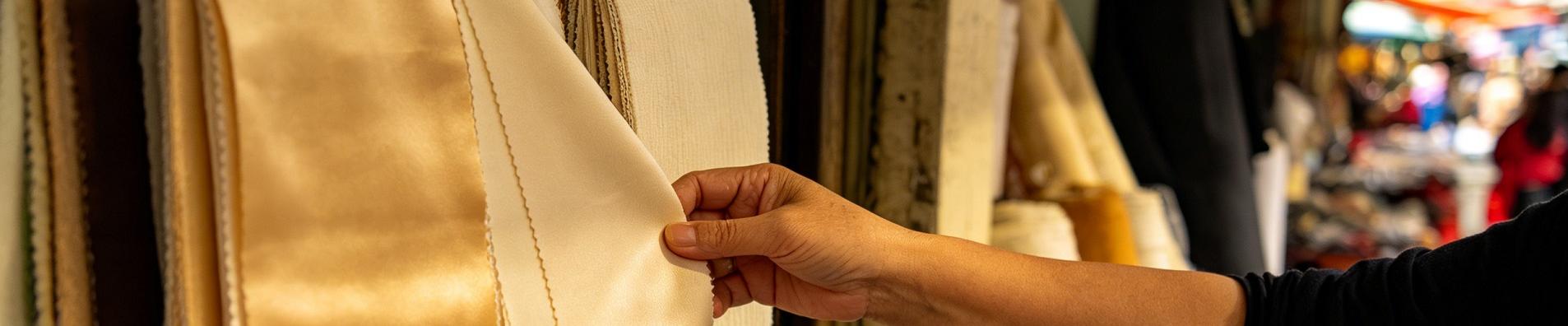
Fabric is one of the most important parts of pajama development. Since pajamas are worn close to the skin and often used for long hours, softness, breathability, stretch, washing performance, and durability all need to be considered.
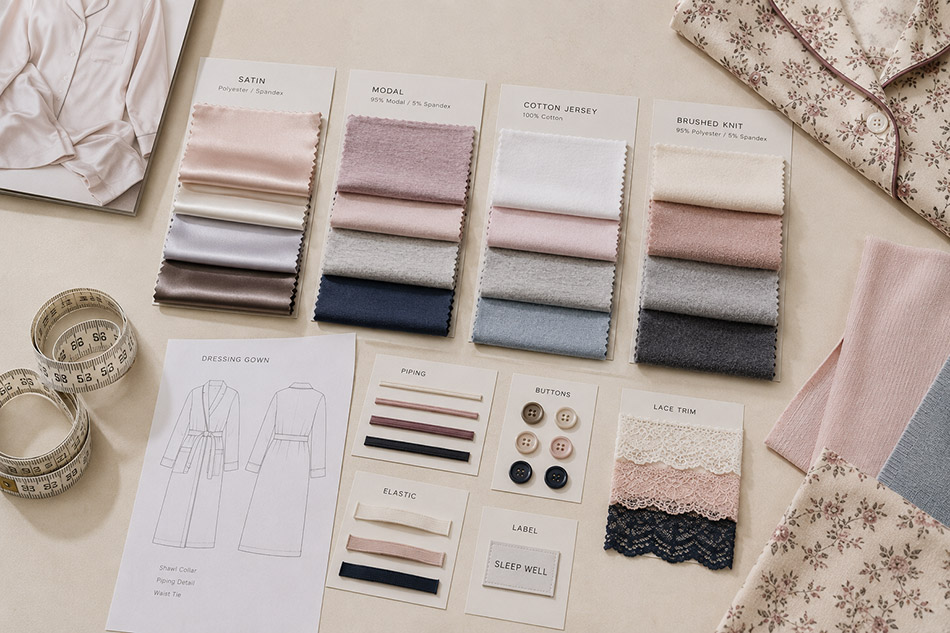
Common fabric options include cotton, cotton blends, modal blends, viscose, satin, flannel, jersey knit, and lightweight woven fabrics. Cotton and modal blends are suitable for soft everyday comfort. Satin can create a smoother and more elegant look. Flannel is often used for warmer winter styles, while jersey knit works well for relaxed and stretchable pajama sets.
The fabric should match the target market and season. A summer pajama set may need lighter and more breathable fabric, while a winter style may require warmth and a softer brushed hand feel. A premium collection may focus more on drape and skin-friendly texture, while a basic wholesale line may prioritize durability, easy care, and stable cost.
Fabric weight, shrinkage, colorfastness, and washing performance should be reviewed during sample development before bulk production.
3. Fit and Size Range Need Careful Planning
Pajama sets should feel comfortable, but they still need a clean and balanced fit. A relaxed design does not mean the garment can be shapeless. Shoulder width, sleeve length, waistband comfort, hip room, inseam length, and overall garment proportion all affect the wearing experience.
Different markets may also have different fit preferences. Some customers prefer loose and relaxed sleepwear, while others may prefer a neater lounge-style fit. Size grading should be reviewed carefully to make sure the pajama set remains comfortable and well-proportioned across the full size range.
Waistband design is especially important for pajama bottoms. Elastic strength, drawstring quality, rise height, and seam comfort can strongly affect daily use. Small fit issues may not be obvious in photos, but they can affect customer satisfaction after purchase.
4. Prints and Colors Create Collection Identity
Pajamas offer strong opportunities for print and color development. Solid colors, stripes, checks, floral prints, seasonal patterns, holiday themes, and custom all-over prints can all create different product directions.
Color planning should be connected across the whole collection. A brand may develop soft neutral tones for a minimal sleepwear line, brighter colors for seasonal products, or classic patterns for wholesale basics. Shared color stories can also help connect pajama sets with robes, dressing gowns, onesie rompers, and oversized sweatshirts.
Print development should also consider production feasibility. All-over prints, placement prints, embroidery, piping, contrast trims, and label details may require different production methods and cost levels. Confirming these details early can help avoid sample delays and unexpected cost changes.
5. Small Details Help Define the Final Product Quality
After the main fabric, fit, and print direction are confirmed, buyers should review the smaller details that affect the final product quality. These may include collar shape, button quality, piping, pocket placement, waistband construction, cuff design, seam cleanliness, and label position.
Pajama sets also offer many private label options, such as embroidery, woven labels, care labels, hangtags, branded packaging, and gift-ready presentation. For pajama collections designed for seasonal retail or gifting, packaging details such as folded presentation, paper bands, ribbon details, branded polybags, or gift boxes can make the product feel more complete.
These details should be confirmed during sample development, so the manufacturer can estimate costs, prepare suitable materials, and reduce unnecessary changes before bulk production.
6. Collection Planning Makes Production More Efficient
A pajama collection can include basic styles, seasonal fabrics, updated prints, and different price levels. For example, one classic pajama shape can be developed in cotton for spring and summer, flannel for winter, and satin for a more premium or gift-oriented line.
When several styles share similar fabrics, trims, colors, or packaging methods, production can be easier to organize and cost control becomes more practical. This also helps the collection look more consistent across different pajama sets, robes, dressing gowns, onesie rompers, and other sleepwear products.
Conclusion
Pajamas and pyjamas are essential products for sleepwear, loungewear, and homewear collections. A strong pajama collection depends on more than attractive prints or soft fabric. Product structure, fabric choice, fit, size range, finishing, customization, and collection planning all play important roles.
With the right OEM & ODM sleepwear manufacturer, brands can develop pajama collections that match their market positioning, support private label needs, and maintain consistent quality across different seasons.
Looking for a Custom Pajamas and Pyjamas Manufacturer?
Loomeami provides custom pajama manufacturing services for apparel brands, wholesalers, and private label buyers, including fabric sourcing, sample development, OEM & ODM production, print customization, branding, labeling, and packaging support.